

Among the comments I received about which single word best defines the Idaho legislative session that just ended — and every session in memory — Parrish Miller’s stood out to me the most. Among other things, he wrote:
“Every session and every issue ultimately come down to control. Politicians want to control people. They want to control budgets and spending, education and culture, and even speech and thought, in many cases.”
I agree. Yet there’s more here. Control is merely the symptom. The deeper driver is fear.
Every session has its dominant issue — budgets one year, taxes the next, health care, education, or culture wars. Yet beneath the headlines, fear has been the constant force, the shadow shaping Idaho’s Legislature for the three decades I’ve watched it, and likely since territorial days.
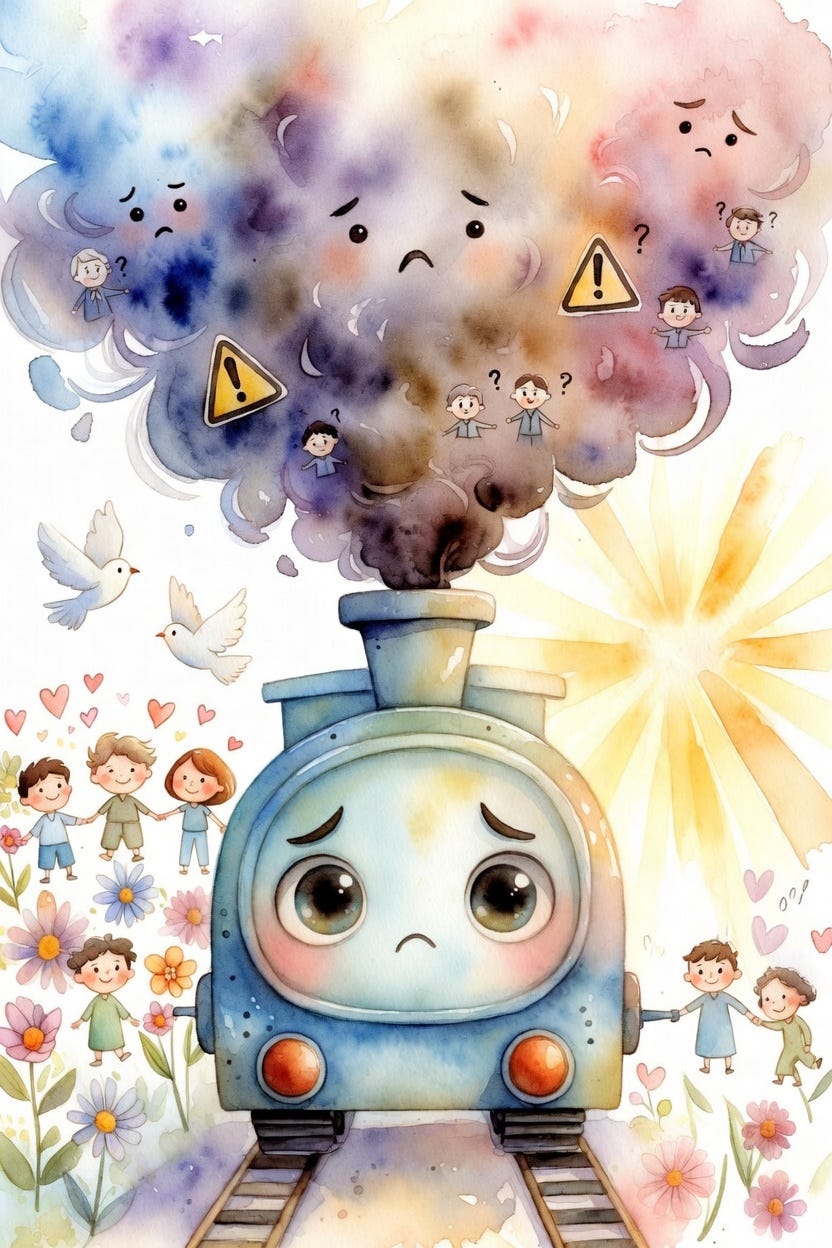
Fear of outsiders. Fear that a cherished program will disappear. Fear that a new one will never launch. Fear that funding will prove insufficient. Fear is the darkness that lies at the heart of every licensing regime, every prohibition on personal behavior, and every restriction on speech, assembly, or the use of private property.
Lawmakers fear for themselves as well: losing the backing of a powerful interest group, watching campaign donations evaporate, or — above all — losing the next election.
This session provided fresh illustrations. We saw it in the heated debates over bathroom access, flag restrictions, definitions of marriage, regulation of the internet and artificial intelligence, and government spending. In each case, fear became words, and words became new statutes and regulations.
Once enacted into law, fear does not dissipate. It becomes imprinted on the public consciousness, passed from parents to children and grandchildren. It turns neighbors into suspects, blurs the line between prudence and panic, and frays the fragile bonds of understanding and compassion.
This pattern is hardly unique to Idaho. Fear powers the machinery of governance in city halls, county courthouses, state capitols, and Congress alike. It is the fuel on which American politics now runs.
Left unchecked, this endless combustion burns up far more than tax dollars and liberty. It turns trust, civility, and our very humanity into ashes. I cannot help but notice the way in which fear has grafted itself onto society via the politics of the day.
What makes this especially striking is that while we can point fingers for this state of affairs on interest groups, political parties, and media, we have only ourselves to blame.
We are each capable of feeling fearful and fueling our politics with it, and we are also capable of putting our energies behind something better: peace, love, harmony, and mutual respect. We simply choose not to. Fear, it seems, comes easier.
There was a 2026 legislative session, and this is now history. There will now be a 2026 campaign season. This will be followed by a 2027 legislative session. The next question is simple: Will we continue to allow fear to remain the dominant theme, or will we finally choose (and insist on) something better?