

Next week, voters in Massachusetts and Idaho will decide ballot measures dealing with cannabis. Massachusetts will decide whether to end retail marijuana sales, and Idaho will decide whether only the Legislature may ever legalize marijuana or any other psychoactive substance.
On the same ballot, Idahoans, along with voters in Nevada, Missouri, and Virginia, will also vote on abortion.
Once the votes are counted, people in Massachusetts and Idaho will still be using cannabis, no matter what their politicians or their neighbors think of it. And people in states where abortion is restricted will continue to end pregnancies without their government’s permission.
People place a lot of stock in elections, but on these issues, the ballot barely changes what anyone actually does. What it changes is who gets punished, and how hard.
The trouble isn’t cannabis or abortion. Addiction and abortion are lagging indicators of something else: too many people facing hard moments alone, cut off from the families, neighbors, churches, and charities that once would have carried them through. No ballot measure can repair that.
What an election can decide is how much power government holds over these choices. And wherever you land on these subjects, when government becomes the central player in matters this personal, real people pay the price.
Consider Idaho, which has no medical marijuana allowance. Idaho law treats a person who uses cannabis to manage pain or illness, carefully and responsibly, as a criminal. They risk jail, fines, a criminal record, and the loss of a job or even custody of their kids. Rather than easing those penalties, the Legislature has made them tougher, and HJR 4 would leave politicians as the only ones that could ever change them.
Abortion is harder, and it deserves to be treated that way. If you believe abortion ends a life, you have every reason to want fewer of them. But it is also important to understand that restrictive laws make it so that women who can afford an abortion still get one, just in a state where it’s legal. Women who can’t afford one often face an unplanned pregnancy alone, with a government program standing in for the family and community support they need. A mandate can require a pregnancy to be carried to term, but it cannot provide the care, patience, and love that make it possible. That must come from people.
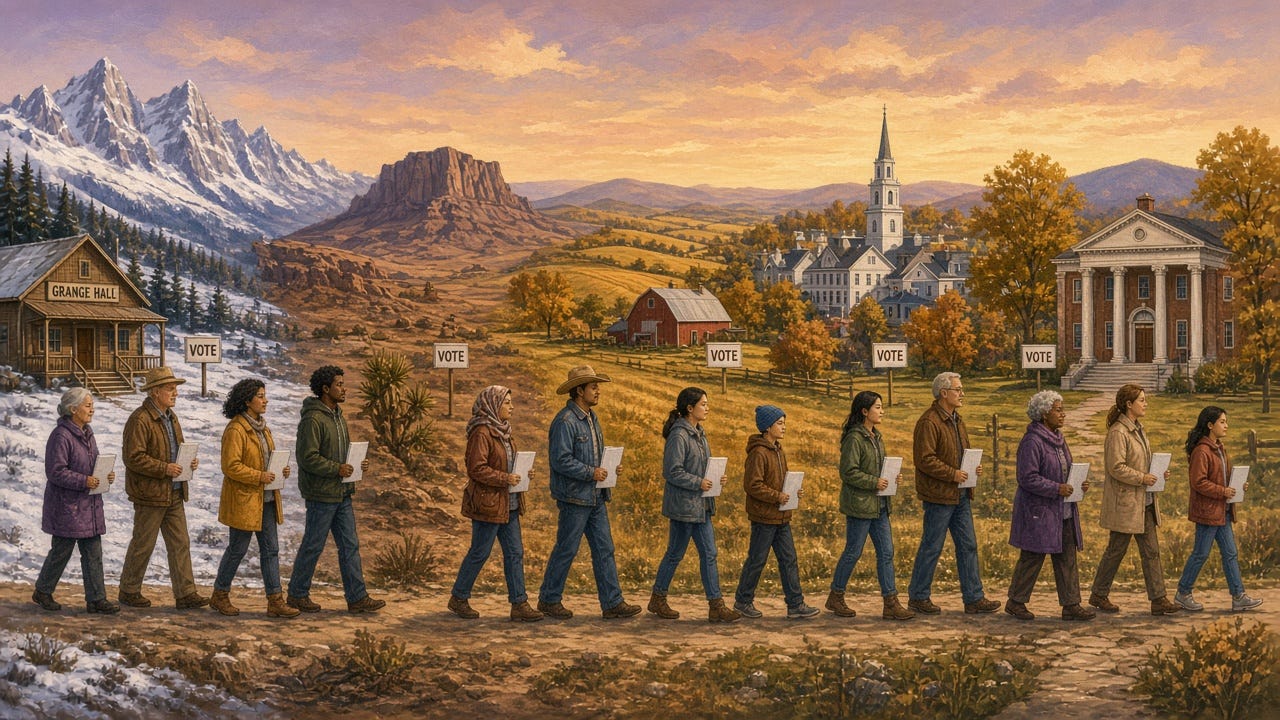
So vote, and vote with care. Remember that an election can hand government more control than it should ever have, even if you think it appropriate in this instance. But don’t mistake the ballot for the solution. The work that actually reduces addiction and abortion happens outside of government, at kitchen tables, community gatherings, personal connections, in church basements, and among friends and neighbors who show up for each other. That work doesn’t need anyone’s permission, and it doesn’t wait for an election. It continues long after the votes are counted.